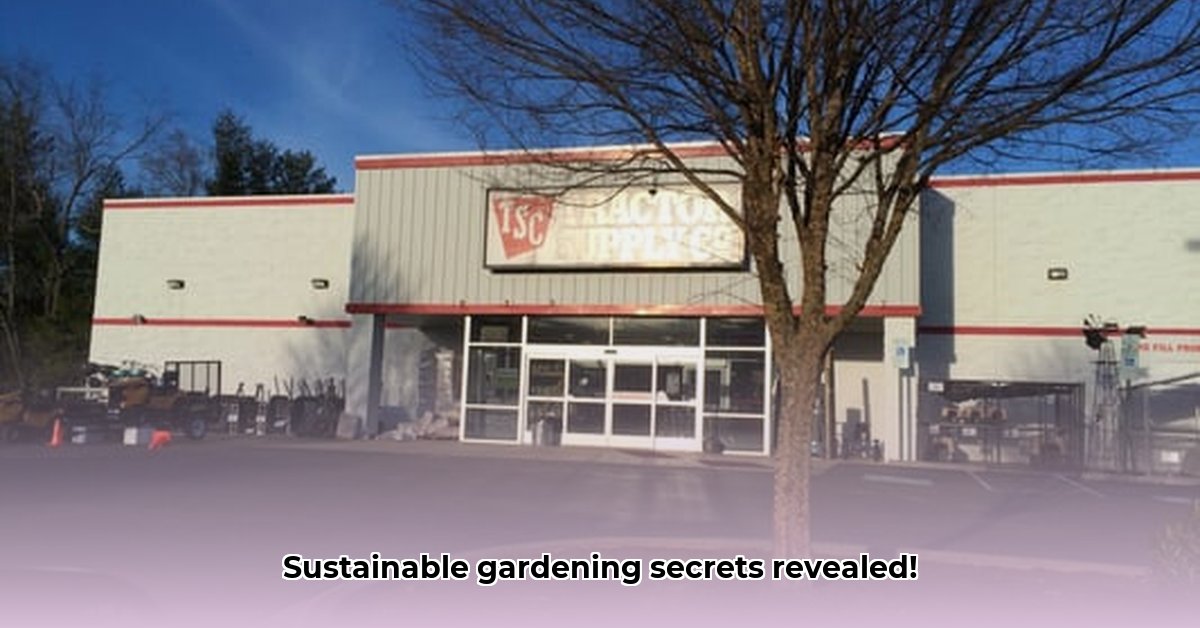
Tractor Supply Brevard Road: A Local Hub for Sustainable Agriculture?
Asheville's thriving culinary scene and commitment to local, sustainable food systems rely heavily on the accessibility of agricultural resources. Tractor Supply Company (TSC), with its multiple locations in Asheville, including the Brevard Road store, plays a significant, albeit complex, role in this ecosystem. This article explores TSC's potential contribution to sustainable agriculture in the Asheville community, examining both its benefits and challenges.
Accessibility of Resources: A Double-Edged Sword
TSC's Brevard Road location, along with other stores in the Asheville area, provides convenient access to a wide range of products relevant to sustainable and conventional agriculture. Shoppers can find organic seeds, compost, watering systems, and various tools suitable for eco-friendly gardening practices. This readily available resource pool empowers both novice and experienced gardeners to pursue sustainable methods. For example, the availability of organic seeds directly reduces the need for synthetic pesticides, contributing to a healthier environment. However, the same accessibility extends to chemical fertilizers and pesticides, highlighting a critical duality inherent in TSC’s offering. While enabling sustainable practices, it doesn't inherently promote them.
The Sustainability Question: A Deeper Dive
TSC's explicit commitment to sustainable agriculture requires further scrutiny. While their marketing focuses on product variety and convenience, a more pronounced emphasis on eco-conscious practices is needed. This lack of explicit focus isn't necessarily a condemnation but rather an area demanding improvement and investigation. Does this reflect market demand, internal prioritization, or a combination of factors? This ambiguity calls for a deeper examination of TSC's business practices and their alignment with sustainable goals.
Do the readily available chemical pesticides and fertilizers outweigh the organically-sourced alternatives offered by TSC in terms of actual community impact? Are consumers aware enough of the environmental costs associated with various products to make sustainable choices?
Environmental Impacts: A Balancing Act of Opportunity and Risk
TSC’s impact on the Asheville community’s environmental sustainability is multifaceted. The increased accessibility of gardening and farming supplies, including sustainable options, could translate into more widespread adoption of eco-friendly practices. However, the concurrent ease of access to less-sustainable alternatives, like chemical pesticides and single-use plastics, creates a complex environmental equation. The overall impact hinges on consumer choices and the market forces shaping them. Further research, including lifecycle assessments of specific products and analyses of local consumption patterns, is crucial for a comprehensive understanding.
Stakeholder Perspectives: Collaboration for Change
Several key players shape the landscape of sustainability surrounding TSC: local farmers and gardeners, TSC management, the Asheville community, and environmental NGOs. Local farmers directly influence demand by choosing specific products; TSC management controls product sourcing, marketing practices, and the overall business approach; the Asheville community reflects collective purchasing decisions; and environmental NGOs advocate for sustainable practices and provide guidance.
Effective collaboration among these stakeholders is essential for advancing sustainability. For instance, imagine the impact of partnerships between TSC and local farmers to prioritize locally sourced, organic products, or collaborations with environmental organizations to educate consumers about eco-friendly gardening techniques.
Conclusion: A Nuanced Perspective
Tractor Supply's role in Asheville's sustainable agricultural journey is complex and multifaceted. While the store’s accessibility to essential agricultural supplies empowers both sustainable and conventional practices, its lack of explicit commitment to sustainability presents a critical area for improvement. The ultimate impact of TSC on the Asheville environment depends on ongoing dialogue, informed consumer choices, and a collaborative effort among all stakeholders. The pursuit of a truly sustainable agricultural future within the region demands continuous engagement and adaptive strategies.
Key Takeaways:
- TSC provides convenient access to both sustainable and unsustainable agricultural supplies, presenting both opportunities and challenges for the Asheville community.
- TSC's commitment to sustainable agriculture, while present, lacks clear and consistent communication to the consumer.
- Collaboration between TSC, local farmers, consumers, and environmental groups is critical to maximizing the positive impact of TSC's presence on sustainability.